2005 New Holland LS185b, high-flow, single-speed, 2193 hours on the meter.
I just drained and replaced/refilled the hydraulic oil and replaced a hydraulic hose, the 1” pressure line that goes to the main oil cooler. The old hose was externally damaged but did not burst or leak. I caught before it broke.
After replacing the hose and changing hydraulic fluid and filter, I ran the skid for about 10 minutes. It drove fine and all hydraulics operated normally.
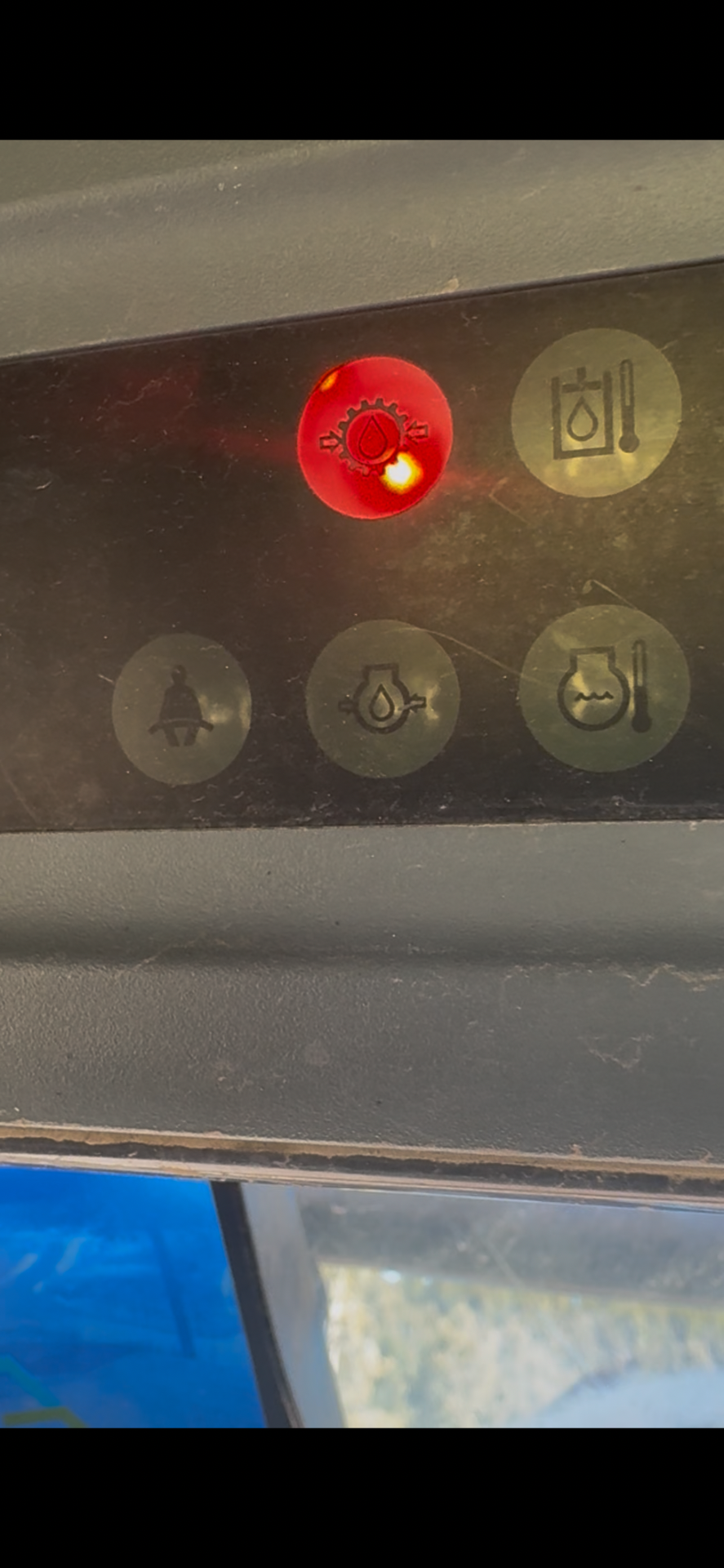
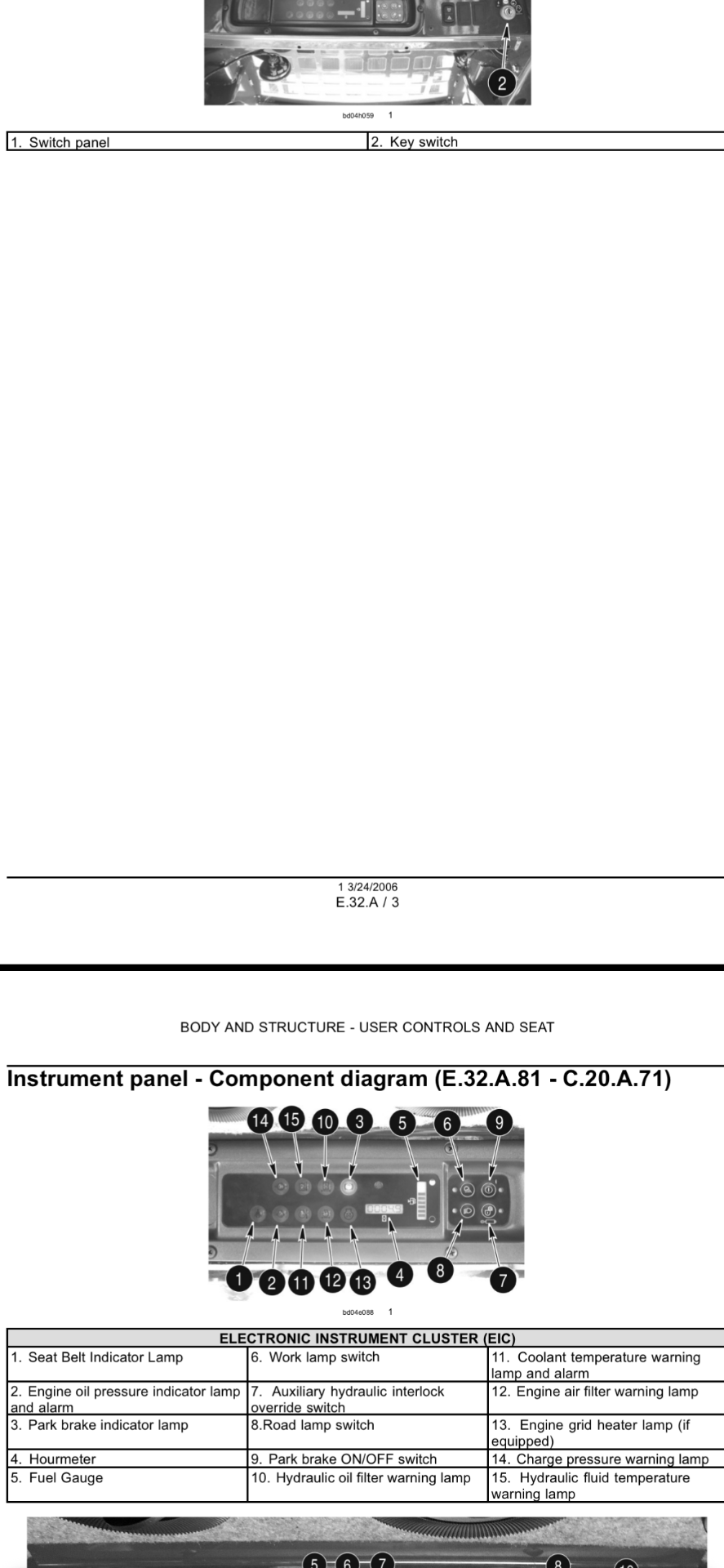
The next day I operated the machine again, but, about 20 minutes after startup, the red “charge pressure warning lamp” (see photo) began flashing with an accompanying beeper. Varying RPM did not get the light to go out. Machine performance was normal with the light still flashing. No degraded performance was observed.
Questions:
1.) has anyone else had this problem right after a hydraulic fluid change? Was there a reason/solution?
2.) has anyone had this problem any other time? What was the problem/solution.
3.) anyone have a sensor/pressure switch go bad?
4.) is it possible that an air bubble caused this?
2193 hrs on the clock, I’ve owned it since 1308 hours. I keep up on maintenance, fluids, cleaning, and care.
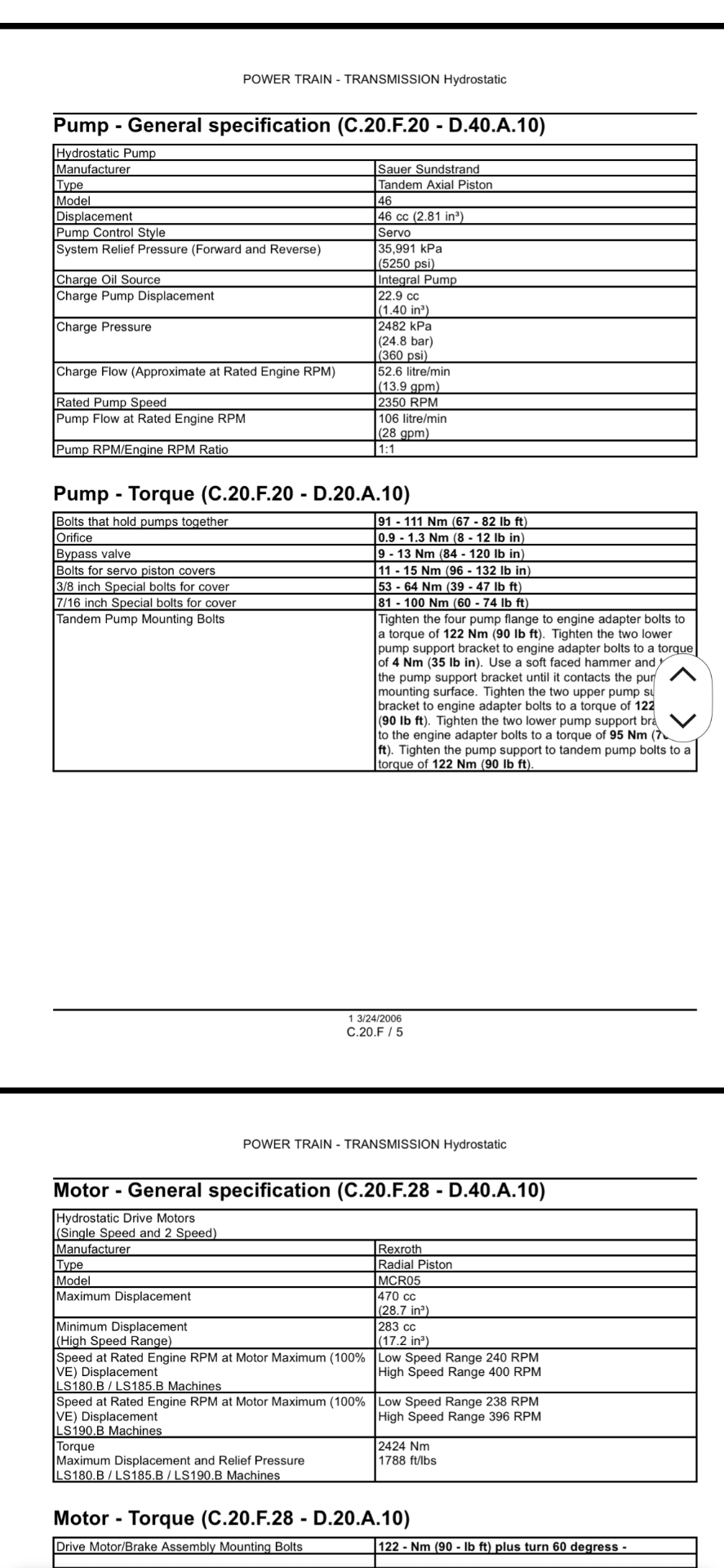
Manual says to check charge pressure on the pump (360 psi). Gauge set on order to do this.
Any advice or experience to share would be greatly appreciated!
Thanks in advance.
I just drained and replaced/refilled the hydraulic oil and replaced a hydraulic hose, the 1” pressure line that goes to the main oil cooler. The old hose was externally damaged but did not burst or leak. I caught before it broke.
After replacing the hose and changing hydraulic fluid and filter, I ran the skid for about 10 minutes. It drove fine and all hydraulics operated normally.
The next day I operated the machine again, but, about 20 minutes after startup, the red “charge pressure warning lamp” (see photo) began flashing with an accompanying beeper. Varying RPM did not get the light to go out. Machine performance was normal with the light still flashing. No degraded performance was observed.
Questions:
1.) has anyone else had this problem right after a hydraulic fluid change? Was there a reason/solution?
2.) has anyone had this problem any other time? What was the problem/solution.
3.) anyone have a sensor/pressure switch go bad?
4.) is it possible that an air bubble caused this?
2193 hrs on the clock, I’ve owned it since 1308 hours. I keep up on maintenance, fluids, cleaning, and care.
Manual says to check charge pressure on the pump (360 psi). Gauge set on order to do this.
Any advice or experience to share would be greatly appreciated!
Thanks in advance.