I don't run additives in the machines. I will add water and algae supplements to my 500 gallon storage tank, but fuel sits in that much longer.
Winter blend has NEVER let me down. On the other hand, summer blend did wax up overnight in the truck in Dillon, CO when the temperature dropped to -15F overnight. Caught me off guard because I'd refueled in western KS the day before and since it was a blizzard I figured they would've already switched to winter blend. Once I got the truck warmed up and running, refueled with local diesel and didn't have an issue for the rest of the time in those temperatures.
I again agree odds are its never really needed when there is winter blended fuel in tank, or even a mix of it
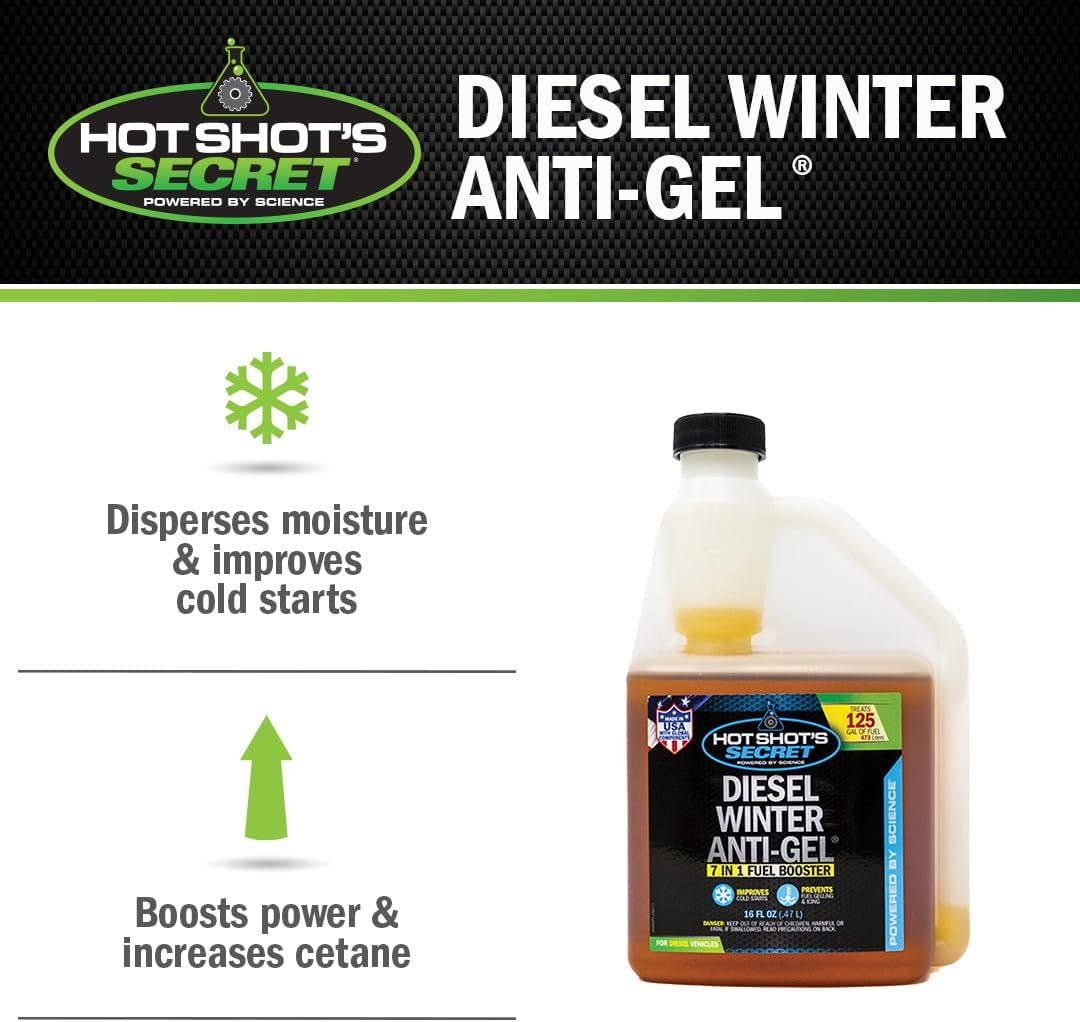
BUT< keep in mind that fuel additive is not just about anti gel, they also do a lot of other things(if what the claim is true, ?? Haha)
but I do know almost all of them, do add some octane to the fuel, which is honestly good for cold weather conditions, plus some have better lubrication qualities to them, which, for a private owner, wanting to get the most life out of something
isn't a bad thing to be adding,
as honestly costs are petty trivial, when you look at how much/little you need to add to fuel to get MAYBE some benefits,
a bottle will honestly last a long time, to the average home owner
so, the costs to
possible benefits, are IMO worth spending,as again, not a lot of things in bottles do what they claim
but I do think some of these additives do more good than there costs!
when you honestly get into extreme cold conditions, your electrical system most likely will fail before
GOOD winter blend diesel will gel(and I mean good water free from where ever you got it at, and this can be tricky, as most fuel stations have SOME water in there tanks from every test I ever seen on them!
now if anyone cares, I
l add the following for mroe food for thought on cold temps and fuel issues!
I know
Banks diesel performance company, recently did some pretty good testing on cold weather starts in Cummins 6.7 diesel engines,
in ram trucks
due to they invented a grid heater fix (due to a known poor design on the 6.7s) a while back, and some folks were having issues with lack of heating element in them to start in cold temps
SO< banks invented a fix, with ONE heating element, to sort of match stock heating ability, however, the new ram they invented had a lot more space inside, that one heating element in extreme cold temps didn;'t seem to be enough now!
so they added a second heating element, to get more heat into things to fire up, and they parked trucks in a temp control room for hours, at -20 and -30
to see how things started, and pretty much what they found was NOT fuel gelling issues at all!~
but that electric demands caused almost instant dead batteries, even when battery's(they have two in a 6.7 ram cummins)
was 100% fully charged before being parked in minus 20 and 30 tenps! and this was also without plugging them in(block heaters and such)
and they didn't add anything to the fuel, just plain jane winter blended fuel from the pump!
,so without TREATED fuel
even in minus 10-20-30 degree's fuel gel was NOT a problem when parked for just 24 hours,,(maybe they did 48 hrs too, I forget exact time frame, but in this area, test can be seen on youtube if one cares to watch) longer than 48 hrs and who know's>>
so any longer than that,
I would think it could become one!
anything parked a long time in extreme cold needs more than just fuel additives and or>> ! and this is why folks living in these places ,
plug things in, park in heated garages,/shops, or leave running non stop!
so, what
Banks found just shows you that even in just 24 hours in these extreme temps, fuel wasn't really the issue with gelling up!
it was the electrical end to have enough power to turn the motor over that failed more than anything
so, just more food for though
I ain't now expert or know it all here either,, just my views and such being shared!




![Pampers Sensitive Baby Wipes, Clinically Proven, Fragrance Free, Unscented, Water Based, Hypoallergenic, Multi-Use, Hand Wipes 336 Wipes Total (6X Flip-Top Packs) [Packaging May Vary]](https://m.media-amazon.com/images/I/41KLBHu9CAL._SL500_.jpg)